Quick Guide
- The Big Three: Public, Private, and the Wildly Different Price Tags
- The Vehicle Factor: Tent, RV, and Glamping Costs
- The Hidden Fees That Nobody Talks About (Until You Pay)
- Seasonality and Location: The Price Surge
- How to Actually Find and Budget for a Campsite
- Answering Your Burning Questions (FAQ)
- Final Thoughts: It's About Value, Not Just Cost
So you're planning a trip, thinking about sleeping under the stars, and that big question pops into your head: how much does it cost to use a campground? I get it. I've been there too, scrolling through websites trying to find a straight answer before I commit to a weekend away. The truth is, there's no single number.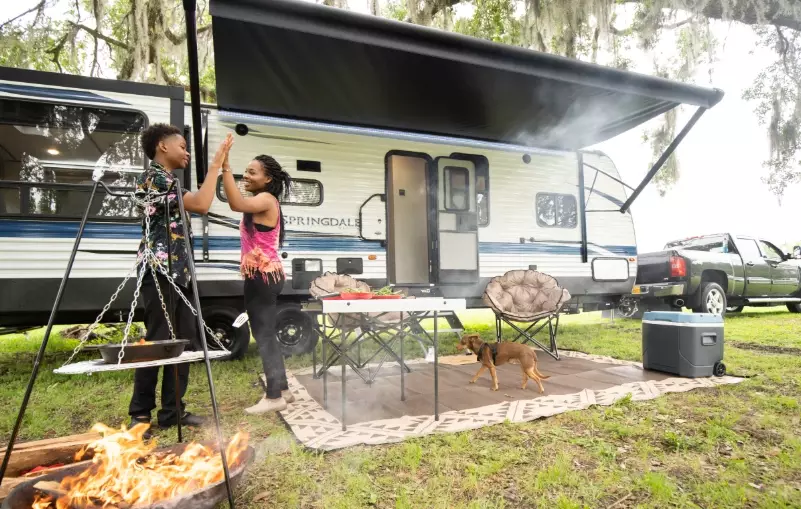
It's like asking how much a hotel costs. Are we talking a roadside motel or a five-star resort? Camping is the same. The price tag swings wildly based on a whole bunch of factors—where you go, what amenities you need, the time of year, and even what you're sleeping in. A basic tent spot in a national forest is a world apart from a full-hookup RV site at a luxury glamping resort.
I remember planning my first big cross-country camping trip. I budgeted what I thought was a generous amount for campsites, only to be blindsided by reservation fees, parking passes, and firewood costs that nobody mentioned upfront. It was a lesson learned the hard way.
This guide is here to make sure that doesn't happen to you. We're going to peel back the layers on campground pricing. We'll look at public vs. private lands, tent vs. RV sites, and all those sneaky extra charges that can wreck your budget if you're not careful. By the end, you'll know exactly what to expect to pay and how to find the best value for your next outdoor adventure.
The Core Question: When people ask "how much does it cost to use a campground?", they're usually asking for an average. But the average is misleading. A more useful question is: "What should I expect to pay for the type of camping I want to do?" That's what we'll answer.
The Big Three: Public, Private, and the Wildly Different Price Tags
This is the most important split in the camping world. Where you camp determines the base price more than anything else.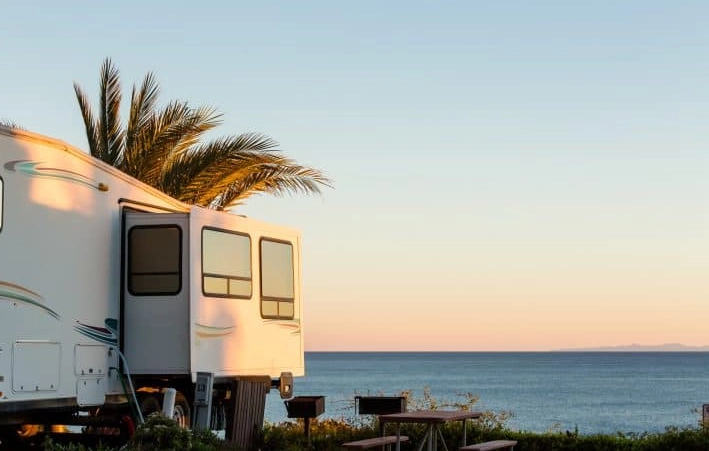
Public Land Camping (The Budget-Friendly Foundation)
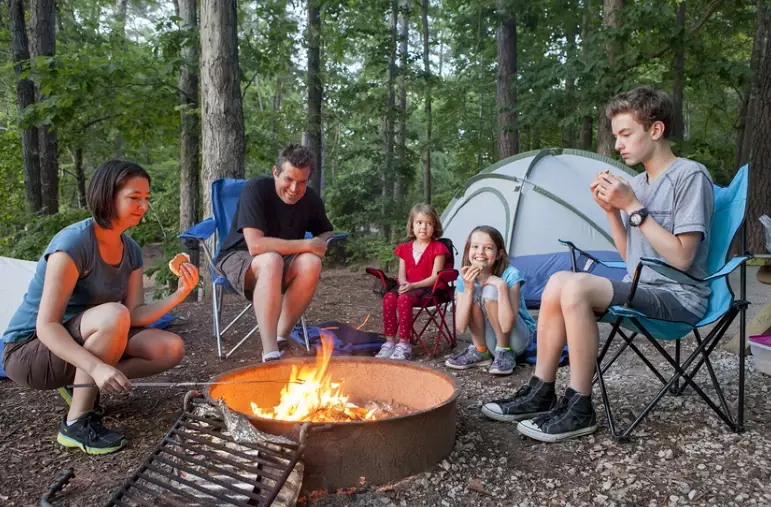
This is your classic camping, run by government agencies. We're talking National Parks, National Forests, State Parks, and Bureau of Land Management (BLM) areas. The philosophy here is access and conservation, not profit.
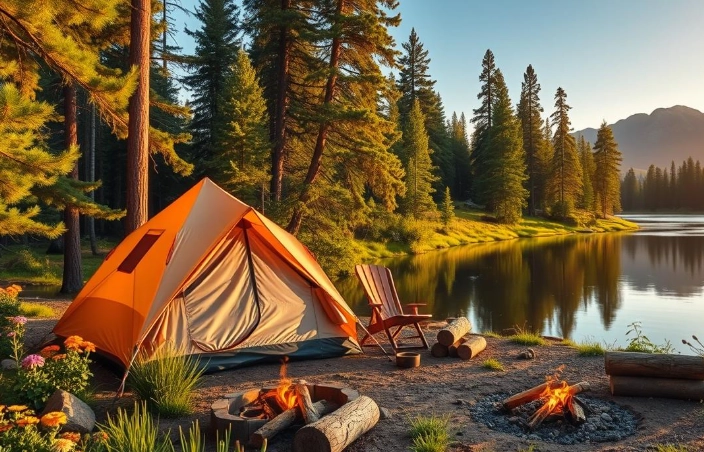
National Parks and popular State Parks are the most developed. You usually get a designated site, a picnic table, a fire ring, and shared bathroom facilities (vault toilets or flush toilets). Because they're in high demand, you always need a reservation, often months in advance on a site like Recreation.gov. Prices reflect the amenities and the iconic locations.
National Forests and BLM land are the secret sauce for affordable trips. They offer both developed campgrounds (similar to state parks but often simpler) and something magical called dispersed camping. Dispersed camping means you can often camp for free outside of designated campgrounds, following Leave No Trace principles. It's rugged, requires more self-sufficiency, but the price is right.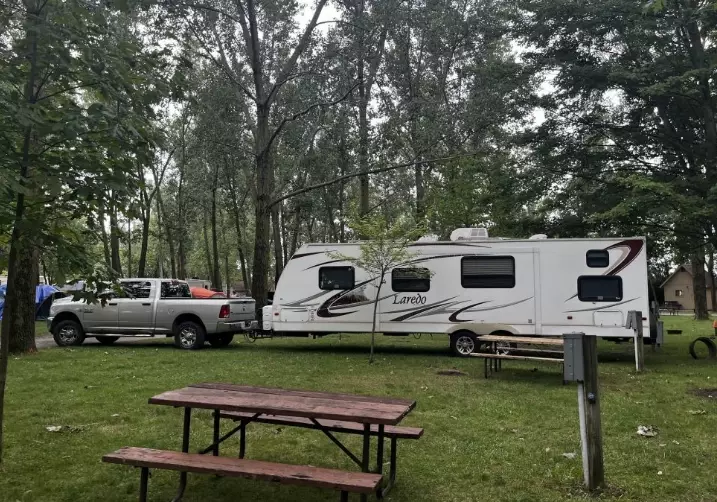
Let's put some typical numbers on it:
| Public Land Type | Typical Cost Range (Per Night) | What You Usually Get | Reservation Needed? |
|---|---|---|---|
| National Park Campground | $20 - $35 | Designated site, table, fire ring, shared water, flush/vault toilets. | Yes, often 6 months ahead. |
| State Park Campground | $15 - $30 | Similar to National Parks; sometimes has electric hookups. | Yes, especially for weekends. |
| National Forest (Developed Site) | $10 - $20 | Basic site, table, fire ring, vault toilet. May not have water. | Sometimes first-come, first-served; sometimes reservable. |
| BLM / Dispersed Camping | $0 - $15 | Nothing. You find your own spot. Must pack everything in/out. | No. Follow local rules. |
See the range? From free to $35+.
The National Park Service website is your best friend for official info and rules. Always check there first.
Private Campgrounds (Convenience at a Price)
These are businesses. Think KOA (Kampgrounds of America), Jellystone Park, or independent family-run spots. Their goal is to provide a consistent, amenity-rich experience. You pay more, but you often get a lot more.
We're talking level paved sites, full hookups (water, sewer, electricity for RVs), sparkling clean shower houses, laundry facilities, swimming pools, mini-golf, wifi (sometimes), and organized activities. It's less "wilderness" and more "outdoor resort." Perfect for families or RV travelers who want comforts.
The cost to use a private campground like a KOA can easily be double or triple a public site. A basic tent site might start at $30-$40, but a premium RV site with a patio and cable TV can hit $70-$100 per night, especially near tourist hotspots or in peak season.
My Take: I have a love-hate relationship with big private chains. The consistency is great when you're tired from a long drive—you know exactly what you're getting. But they can feel sterile, like a parking lot with trees. You lose that raw connection to nature that makes camping special for me. I use them as a convenient pitstop, not a destination.
The Vehicle Factor: Tent, RV, and Glamping Costs
What you sleep in is the next major price driver. Campgrounds price sites based on the infrastructure they provide.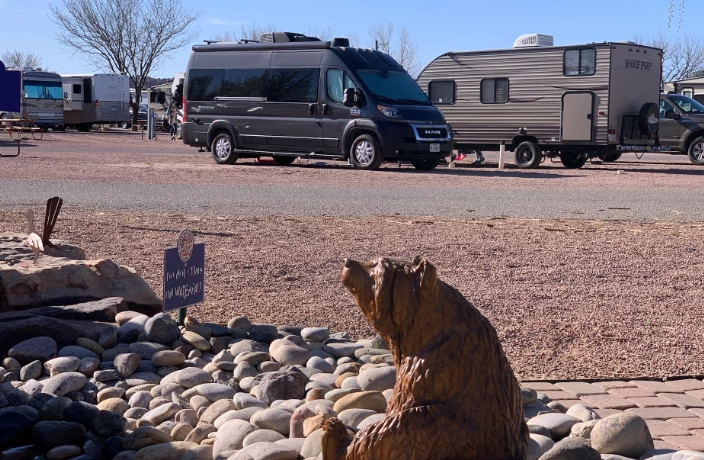
Tent Sites (The Classic)
This is the most straightforward and usually the cheapest option. You're paying for a patch of ground, a fire ring, and a table. Sometimes you share a water spigot with the loop. The cost to use a campground for tent camping is at its lowest here. Even at private campgrounds, tent sites are their budget tier.
RV Sites (The Tiered System)
RV sites have a language of their own, based on "hookups."
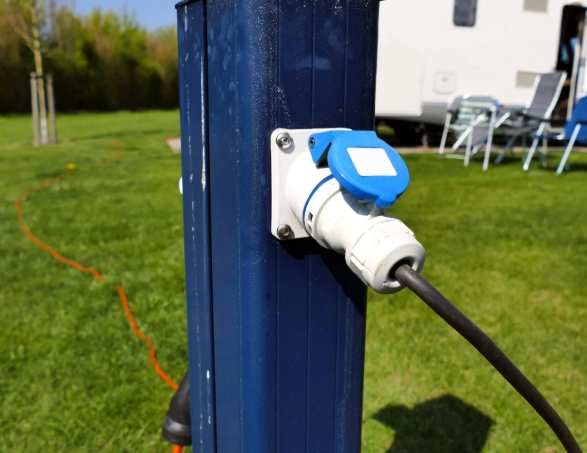
- Water/Electric (W/E): The most common. You get a water faucet and a 30- or 50-amp electrical outlet. You use the campground's dump station for your gray/black water tanks when you leave. Adds $5-$15/night over a tent site.
- Full Hookups (FHU): The gold standard. Water, electricity, and a sewer connection right at your site. No need to move to dump. This is the most expensive RV option, common at private parks.
- Dry/Primitive Site: For self-contained RVs. No hookups. Priced like a tent site or slightly higher.
So, how much does it cost to use a campground with an RV? If you need full hookups, you're almost always looking at private land prices, starting around $45 and going way up from there.
Glamping & Cabin Rentals
Not quite camping, not quite a hotel. You're paying for a unique structure—a yurt, safari tent, tiny cabin, or even a treehouse—often with real beds and furniture included. You get the "outdoorsy" feel without bringing your own gear. Prices match the novelty and comfort: think $100-$300+ per night. It's a splurge, not a budget option.
The Hidden Fees That Nobody Talks About (Until You Pay)
This is where budgets die. The nightly rate is just the start. When calculating the total cost to use a campground, you must factor these in.
- Reservation Fees: Recreation.gov charges a non-refundable $8 "reservation fee" per transaction (not per night). ReserveAmerica and others have similar fees. Book multiple nights in one transaction to save.
- Park Entrance Fees: Many National/State Parks charge a separate vehicle entrance fee ($20-$35). An annual pass (like the $80 America the Beautiful Pass) pays for itself in 3-4 visits.
- Extra Vehicle/Pet/Person Fees: Many campgrounds charge $5-$10 extra for a second car. Pets often cost $2-$5 per night. Some even charge for more than 2 adults per site.
- Amenity Fees: Firewood ($5-$10 per bundle). Coin-operated showers. Wi-Fi access. These add up fast.
- Local Taxes: Don't forget sales and lodging taxes, which can add 5-12% to your bill.
Pro Tip: Always read the fine print on the campground's website or confirmation email. Look for phrases like "plus tax," "additional vehicle fee," or "pet fee not included." A $25/night site can easily become a $40/night reality.
Seasonality and Location: The Price Surge
A campsite is a commodity, and price follows demand.
Peak Season (Summer & Holidays): This is when everyone wants to camp. Prices are at their absolute highest, and sites sell out instantly. If you're asking how much does it cost to use a campground in Yellowstone in July, the answer is "more than in September," and you'll need a battle plan to get one.
Shoulder Season (Spring/Fall): My personal favorite. Fewer crowds, lower prices, and often more pleasant weather. Many parks reduce fees or even close some loops, but the open ones are cheaper and quieter.
Location, Location, Location: A campground 2 hours from a major city will be cheaper than one 30 minutes away. A site with a stunning lake view will cost more than one back in the trees. Proximity to popular attractions (beaches, Disney, etc.) commands a massive premium.
It's basic economics, applied to dirt and trees.
How to Actually Find and Budget for a Campsite
Let's get practical. Here's my personal process, honed from years of trial and error.
First, I decide what kind of experience I want. Am I seeking solitude in the backcountry, or a easy basecamp with a hot shower after a day of hiking? That tells me whether to look at public dispersed camping or a developed campground.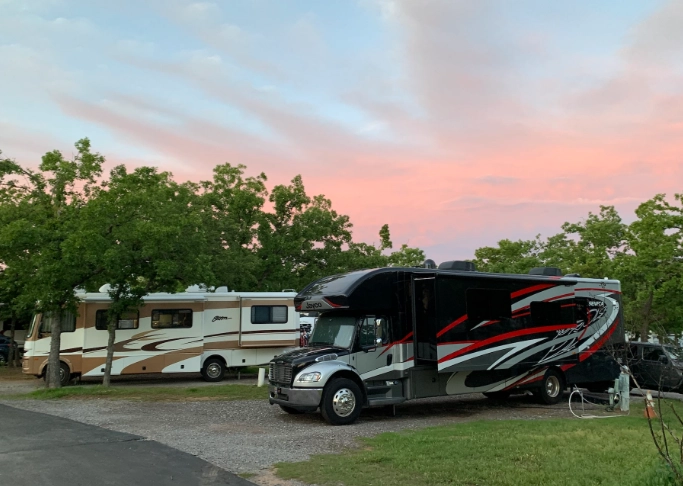
For public campgrounds, I go straight to the source: Recreation.gov for federal lands, or the specific state's park reservation website. These sites show real-time availability and the true all-in price (including fees) before you book. For private campgrounds, I'll use Google Maps to search the area and read recent reviews on TripAdvisor or Google itself. Pictures from last month tell you more than the campground's own glossy photos.
My budgeting rule of thumb? I take the nightly rate I see and add 30%. That 30% covers the reservation fee, taxes, a bundle of firewood, and maybe an extra vehicle fee. It's a buffer that keeps me from overspending. If a site is $30/night, I budget $40 in my trip planner.
Answering Your Burning Questions (FAQ)
Final Thoughts: It's About Value, Not Just Cost
At the end of the day, asking how much does it cost to use a campground is just the first step. The real question is: what is the experience worth to you?
Is it worth $40 a night to fall asleep to the sound of a river outside your tent, with no cell service to bother you? For me, often, yes. Is it worth $75 a night for a paved RV site with a pool where the kids can burn off energy after a long travel day? For a family, that might be a resounding yes.
My advice is to stop searching for the mythical "average price." Instead, decide on your priorities—solitude, convenience, amenities, scenery—and then research what that specific experience costs. Factor in all the hidden fees. Budget accordingly.
The cost to use a campground is the ticket price for memories, for sunsets over mountains, for the smell of campfire, and for the quiet you can't find anywhere else. Find the spot that fits your budget and your dream, and go. Just don't forget to check for those extra vehicle fees first.