You’ve decided to go camping. Great! Now you’re staring at a dozen different "essential gear" lists online, each with 75 items, feeling your excitement turn into anxiety. Do you really need a portable coffee grinder and a solar shower for your first trip? Probably not.
Most lists overcomplicate this. After a decade of guiding beginners and making plenty of my own gear mistakes, I’ve learned that a successful first trip hinges on mastering a few core items, not owning a warehouse of equipment. This guide strips it back to the true camping essentials for beginners. We’ll cover what you actually need, how to choose it without breaking the bank, and the subtle mistakes that can turn a dream trip into a damp, hungry ordeal.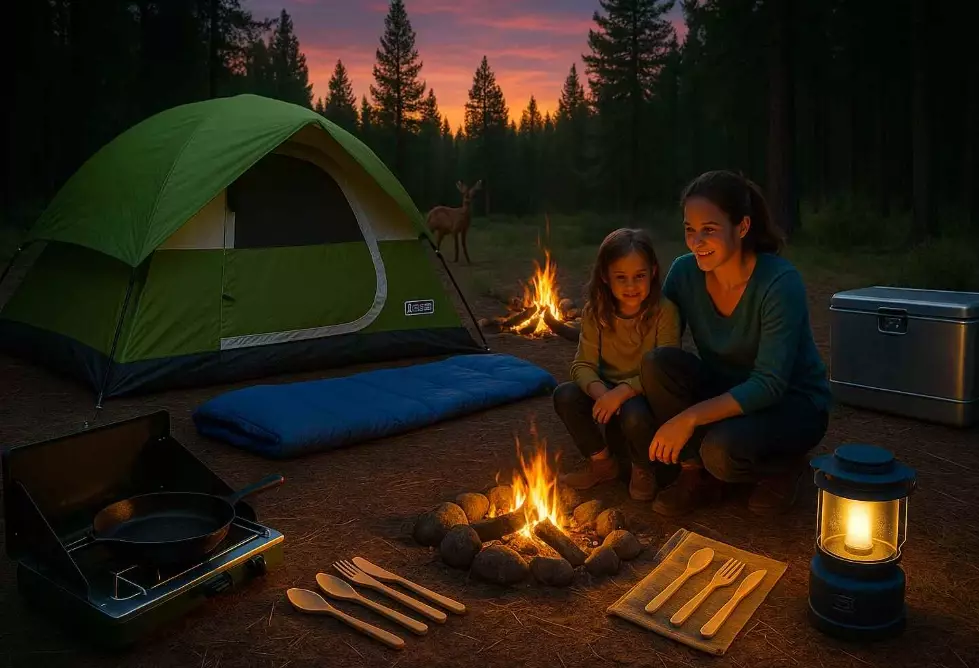
Your Quick Guide to Camping Gear
What are the absolute camping essentials?
Think of it in four systems: Shelter, Sleep, Kitchen, and Light. Nail these, and you’re 90% there. Clothes and personal items are important, but they’re just variations of what you already own. The gear below is the specialized stuff that makes camping possible.
Here’s your core checklist, broken down by priority. The "Non-Negotiable" column is what you must have for a safe, basic trip. The "Game Changer" column includes items that cost a bit more but dramatically boost comfort—consider them for your second purchase or if your budget allows.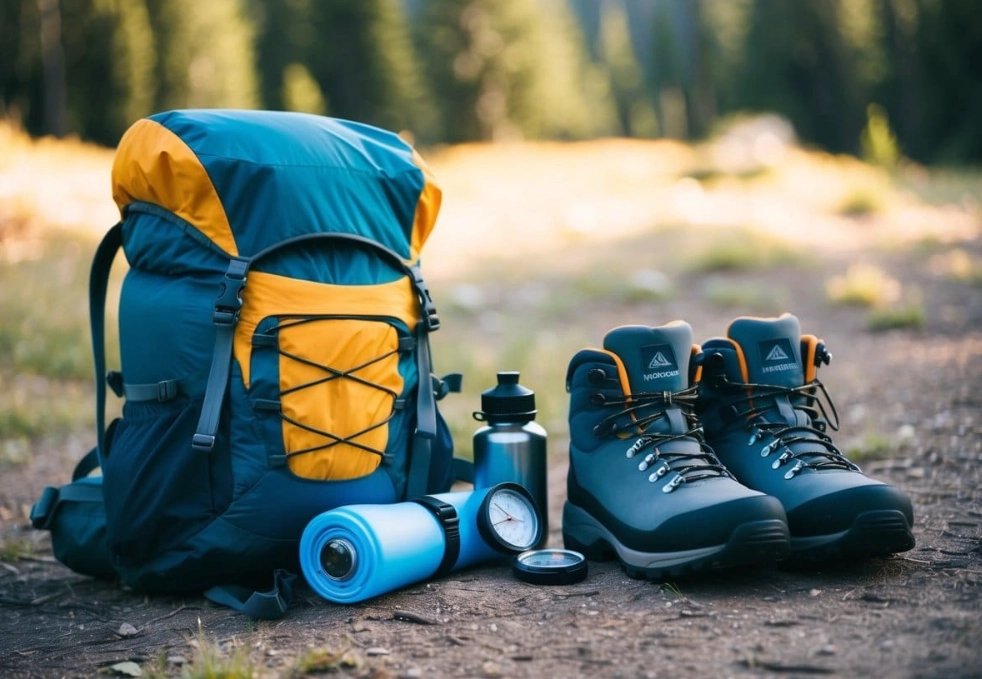
| System | Non-Negotiable Essentials | Comfort / Game Changer Adds |
|---|---|---|
| Shelter | Tent (with rainfly & stakes), footprint or ground tarp | Camping chair, gear loft (for tent organization) |
| Sleep | Sleeping bag, sleeping pad, pillow (camping or stuff-sack style) | Inflatable sleeping pad with higher R-value, liner for your bag |
| Kitchen | Stove & fuel, lighter/matches, pot/pan, spork/utensils, mug/bowl, biodegradable soap, water containers | Cooler, compact coffee maker (like an AeroPress), spice kit |
| Light & Tools | Headlamp (not just a flashlight), extra batteries, multi-tool or knife | Lantern for ambient campsite light, portable power bank |
| Safety & Misc | First-aid kit, map/compass/GPS (know the area), trash bags | Solar charger, weather radio, more extensive medical kit |
See? It’s manageable. You don’t need a $400 cooler or a satellite messenger for a weekend at a well-maintained state park campground. Focus on the left column first.
How to Choose Your First Tent
This is where most beginners either overspend or buy a lemon. The biggest mistake isn’t price—it’s buying a tent rated for fewer people than you actually have.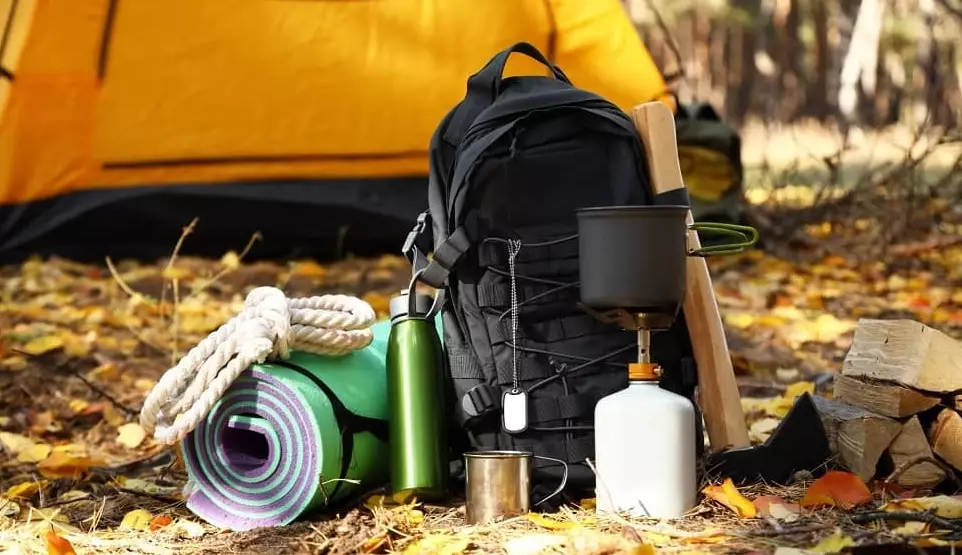
Tent Selection: More Than Just Size
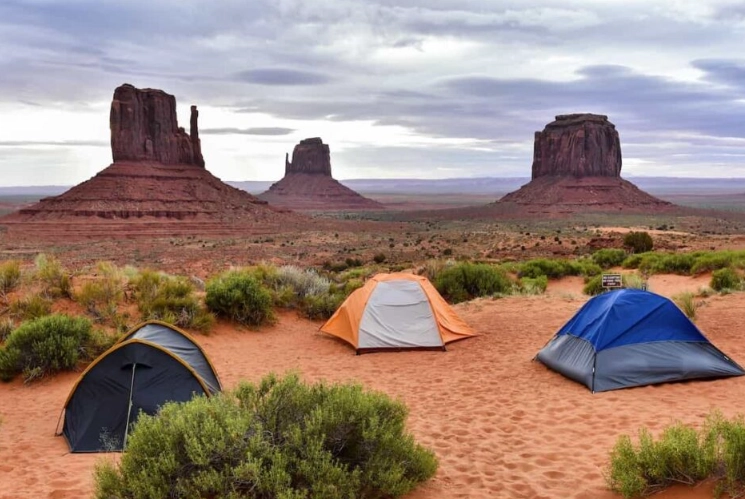
Manufacturers are wildly optimistic about capacity. A "4-person tent" typically means four sleeping bags touching side-by-side with zero room for your gear. For comfort, always add 1 or 2 to the person rating. Two people? Look at 3-person tents. A family of four? A 6-person tent is your friend.
My first tent was a cheap 2-person model. With my partner and our backpacks inside, it felt like a nylon coffin. We upgraded to a 3-person model from a reputable brand like REI Co-op or Kelty, and the difference was night and day. The extra $50 saved our sanity.
The second critical spec is the hydrostatic head (HH) rating for the rainfly. This measures waterproofness. For most casual camping, 1200mm to 3000mm is solid. Anything under 1000mm might wet through in a sustained downpour. A full-coverage rainfly (one that goes to the ground) is vastly superior to a "partial" one.
Sleep System Basics: Stay Warm, Not Sorry
Cold, sleepless nights are the top reason beginners swear off camping. The culprit is almost always underestimating how the ground sucks away your body heat.
Your sleeping bag’s temperature rating is a lie. Well, not a complete lie, but it’s usually a "survival" rating, not a "comfort" rating. If the forecast low is 50°F (10°C), get a bag rated for at least 30°F (-1°C). I learned this the hard way on a spring trip with a "40°F bag" when temps dipped to 45°F. I wore every layer I owned and still shivered.
But the bag is only half the system. The sleeping pad is your real insulation from the cold ground. Pads have an R-value that measures thermal resistance. For summer camping, R-2 to R-4 is fine. For spring/fall, aim for R-4 or higher. That cheap foam pad included in a bundle? It’s probably R-2 at best. Investing in a decent inflatable pad with a higher R-value is the single best upgrade for sleep comfort.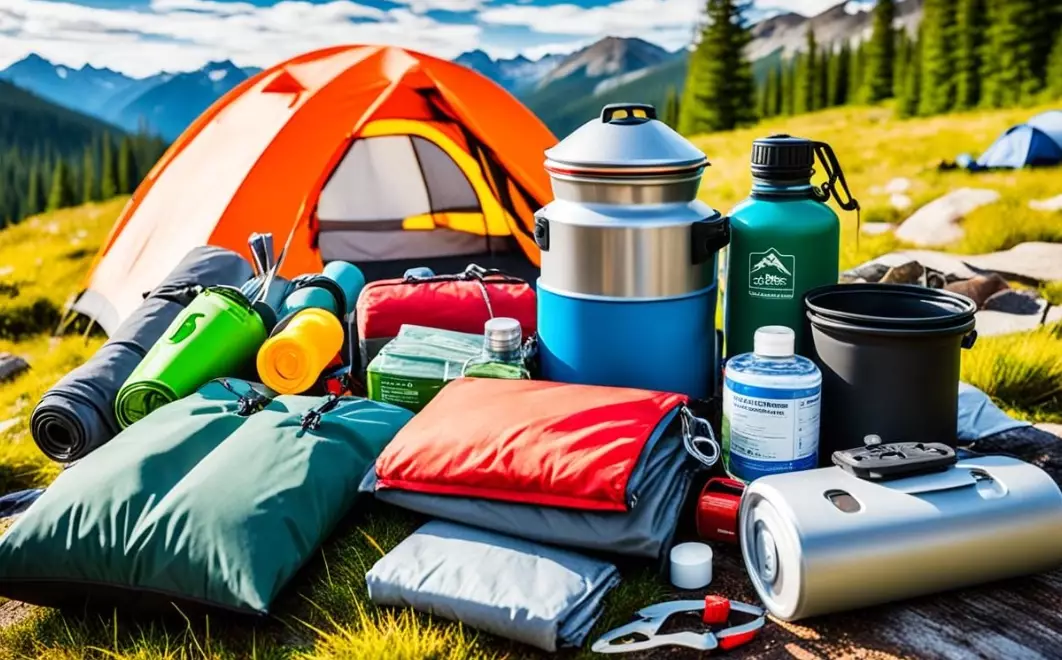
The Camp Kitchen and Food Planning
You’ll be hungrier than you think. Camping burns calories. But keep meals simple for your first outing.
Stove Choice: A basic canister stove (like the MSR PocketRocket or a generic version) is perfect for beginners. It’s small, lights instantly, and is easy to use. Propane stoves are bulkier but better for larger groups. Always test your stove at home first. I can’t count how many times I’ve seen someone at a campsite fumbling with a new stove as dinner time approaches.
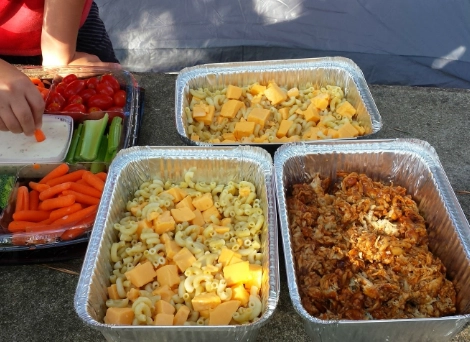
Menu Planning: Plan one-pot meals. Think pasta with pre-made sauce, dehydrated meals (just add boiling water), or hearty soups. Pre-chop veggies at home. For breakfast, instant oatmeal or scrambled eggs cooked in a zip-top bag (placed in boiling water) are easy wins. Pack more snacks than you think you need—trail mix, bars, fruit.
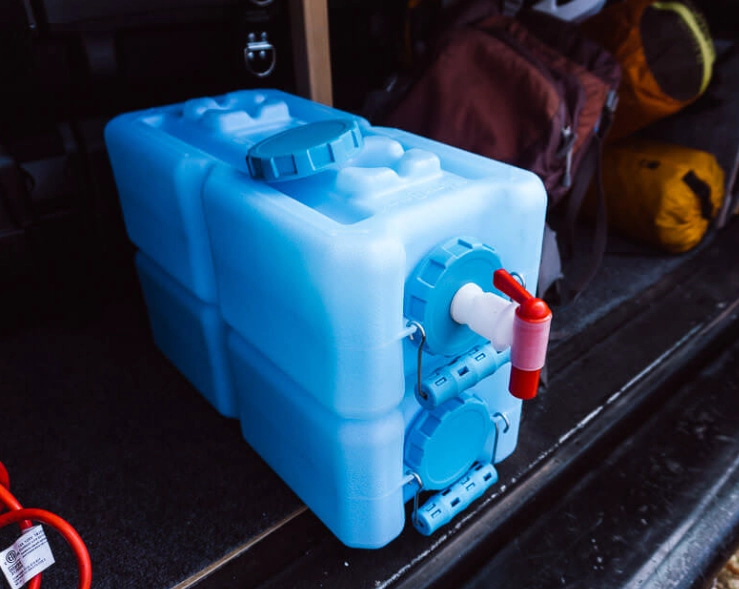
Water is critical. Even if the campground has a pump, bring large, refillable containers. A 5-gallon jug with a spout is a campsite luxury. For reliable information on treating water from natural sources, the CDC’s guide on backcountry water treatment is an authoritative resource, though for your first few car-camping trips, sticking to tap water is safest.
Common Beginner Mistakes (And How to Dodge Them)
Here’s the "10-year experience" advice you won’t find on the product packaging.
Mistake 1: Setting up camp at dark. This is a universal rite of passage and it’s miserable. Aim to arrive with at least 2 hours of daylight left. Trust me, fumbling with tent poles by headlamp light is a terrible way to start a trip.
Mistake 2: Cotton kills. It’s an old hiking adage that applies to camping. Cotton jeans and hoodies feel great until they get wet—from rain, sweat, or dew. They stay wet, get cold, and lose insulation. Pack synthetic fabrics (polyester, nylon) or wool. A simple polyester fleece and quick-dry pants are far better.
Mistake 3: Ignoring the weather forecast for your exact location. Weather can change fast in the mountains or near a lake. Check a reliable source like the National Weather Service for the specific park or area, not just the nearest town.
Mistake 4: Not doing a backyard or living room test run. Pitch your new tent in your yard or living room. Inflate the sleeping pad. Light the stove. This uncovers missing parts, confusing instructions, and lets you learn in a zero-stakes environment. It makes the real trip feel familiar, not frantic.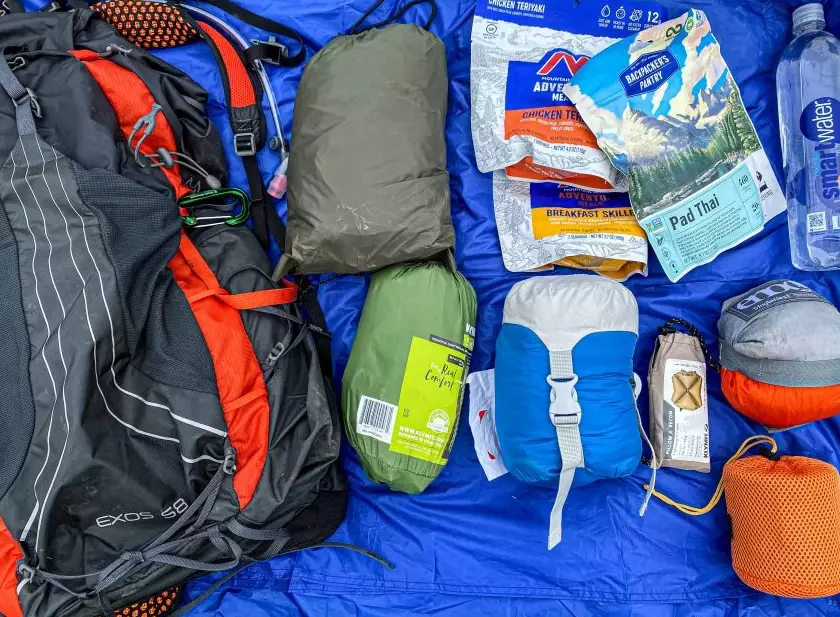
Your Camping Questions, Answered
 What’s the one piece of gear most beginners forget?
The goal of your first trip isn’t to have the fanciest gear or the most Instagram-worthy campsite. It’s to sleep relatively well, eat decent food, and enjoy being outside. Get the core essentials right, avoid the classic pitfalls, and you’ll build the confidence for trip number two. That’s when the real addiction starts.