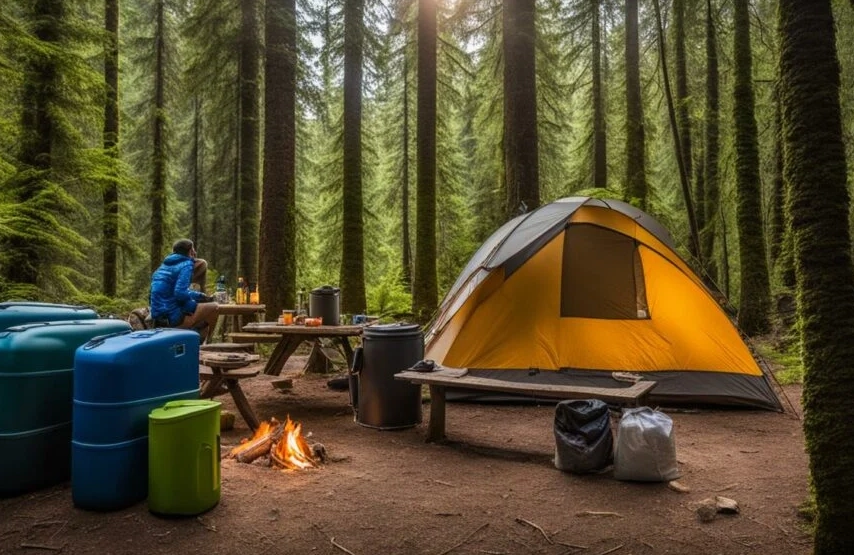
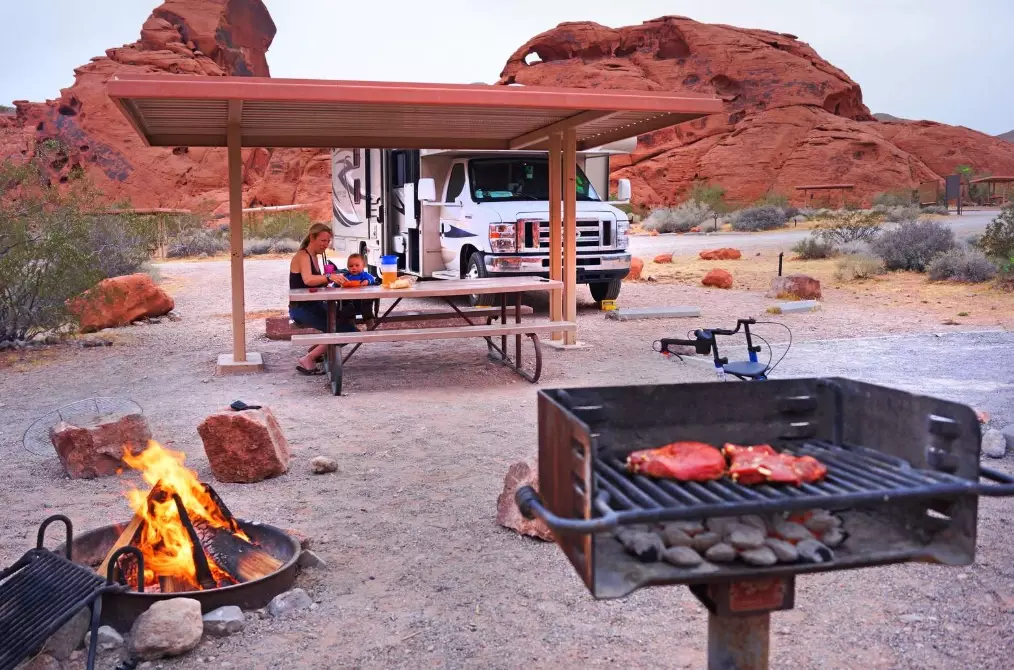
I used to think tech had no place in the woods. A tent, a sleeping bag, maybe a headlamp – that was it. Then I spent a weekend shivering in a damp bag because my old down lost its loft, and another trip where my phone died on the first day, leaving me with a paper map I barely knew how to read. That's when it clicked. Modern camping technology isn't about being flashy or disconnected from nature. It's about using smart tools to solve the classic, frustrating problems of outdoor life: staying warm, dry, fed, safe, and sometimes, just a little bit connected.
The goal isn't to bring your living room outside. It's to eliminate the hassles so you can focus on the stars, the crackle of the fire, and the quiet. This guide walks through the tech that actually matters, based on a decade of getting it wrong and (eventually) right.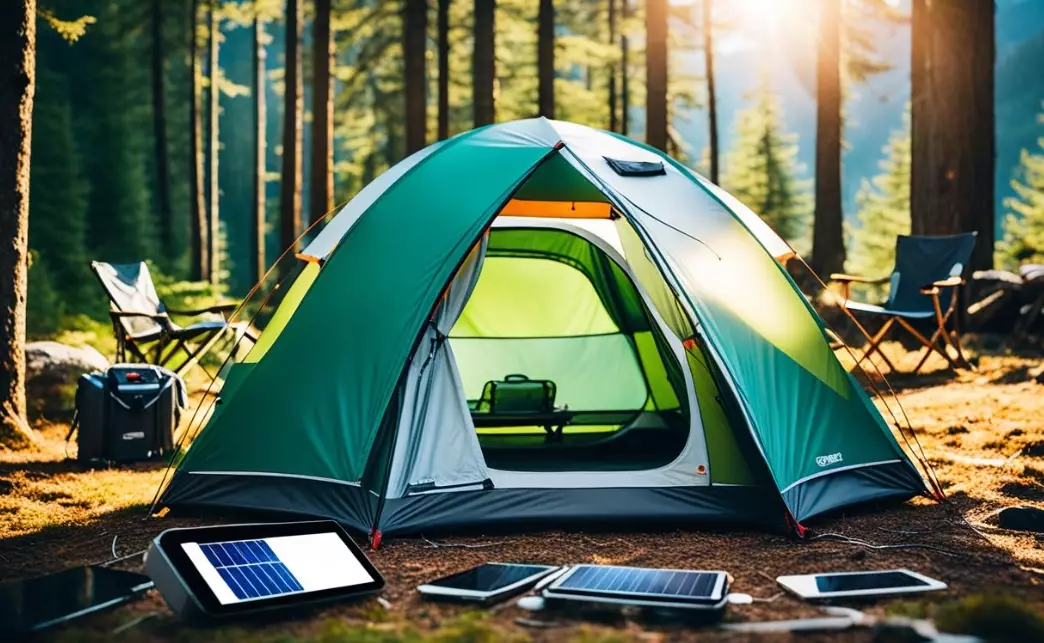
What You'll Learn in This Guide
Power Solutions: Keeping Your Gear Alive Beyond Day One
This is the biggest pain point today. You need power for lights, phones (camera, GPS, emergency contact), maybe a small fan or a CPAP machine. A tiny 10,000mAh power bank won't cut it for a weekend.
Portable Power Stations: The Game Changer
These are essentially giant, quiet, portable batteries with AC outlets, USB ports, and DC outputs. Brands like Jackery, EcoFlow, and Bluetti dominate. The key isn't just buying one – it's buying the right capacity.
Here’s a reality check: A common mistake is looking at the watt-hour (Wh) rating and thinking "that's plenty." You need to calculate your actual usage. A 300Wh unit sounds big, but if you need to recharge a laptop (60Wh) and run a small fridge (40W) for 5 hours (200Wh), you're already out of juice.
| Use Case | Recommended Min. Capacity | Key Features to Look For | Real-World Limitation Often Missed |
|---|---|---|---|
| Weekend trip, phone & light charging | 250-500 Wh | Multiple USB-C PD ports, lightweight | Can't run a coffee maker or electric kettle even once. |
| 3-5 day car camping, running LED lights, camera gear, small fan | 500-1000 Wh | Pure Sine Wave AC output (safer for electronics), solar charging input | Recharging from a car outlet takes forever (20+ hours). You need solar. |
| Base camp, overlanding, powering a cooler/fridge | 1000 Wh+ | Fast solar recharging, expandable capacity, high output for appliances | Weight and size. A 1500Wh unit can weigh 40+ lbs. |
My personal take? The sweet spot for most car campers is the 500-700Wh range paired with a 100W solar panel. It's enough to be comfortable without turning your car into a gear hauler. I learned this after buying a massive 1500Wh unit that now mostly gathers dust because it's a chore to move.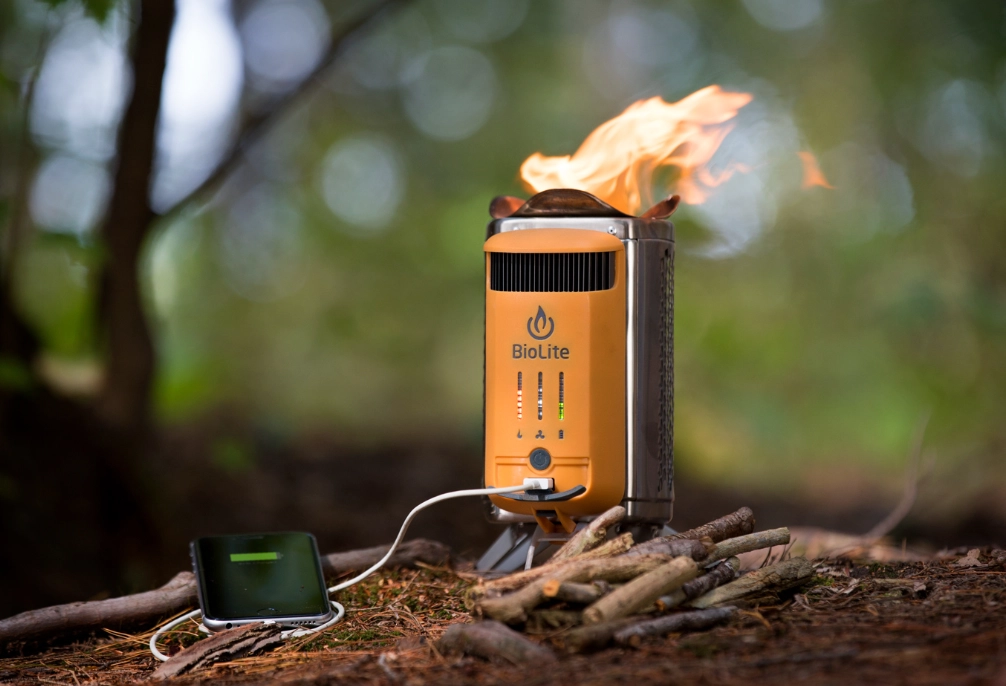
Solar Panels: The True Off-Grid Enabler
Forgetting a solar panel is like bringing a gas can with no way to refill it. Foldable, semi-flexible panels are the way to go. Don't trust the "100W" rating at face value – that's under perfect, lab conditions. On a partly cloudy day, angled wrong, you might get 30W. Always get a panel with a higher wattage than your power station's max input. If your station accepts 100W max, a 120W or 140W panel will ensure you actually get close to 100W in real-world conditions.
Lighting & Sleep Systems: Where Tech Makes the Biggest Difference
A bad night's sleep ruins a trip. Modern materials have quietly revolutionized this area.
LED Lighting: Ditch the Single Bulb Lantern
The old-school gas lantern is loud, hot, and a fire risk. Modern LED options are superior. Look for lanterns with adjustable color temperature (warm white for the campsite, cool white for task lighting) and dimming. Even better are distributed lighting systems.
I switched to a central "hub" lantern that wirelessly connects to several small, magnetic puck lights. I stick one in the tent vestibule, one in the cooler, one in the bathroom bag. They're all controlled from one place. It feels luxurious and is incredibly practical.
Sleep Tech: It's Not Just About the Bag
The sleeping bag is important, but the real upgrade is underneath you. A sleeping pad's R-value (insulation rating) is critical. An R-value of 2 is for summer; 4-5 for three seasons; 6+ for winter. Most beginners buy a pad that's too thin and get cold from the ground, blaming their bag.
Then there's the bag itself. Down is still king for warmth-to-weight, but it's useless when wet. Newer hydrophobic down treatments (like Nikwax or DownTek) are a genuine advancement, significantly improving water resistance. For wet climates, synthetic fills like PrimaLoft Gold have gotten amazingly close to down's packability while being truly weather-resistant.
My non-consensus opinion? Spend more on your pad than your bag on a tight budget. A great pad makes a mediocre bag perform well. A terrible pad makes the best bag feel awful.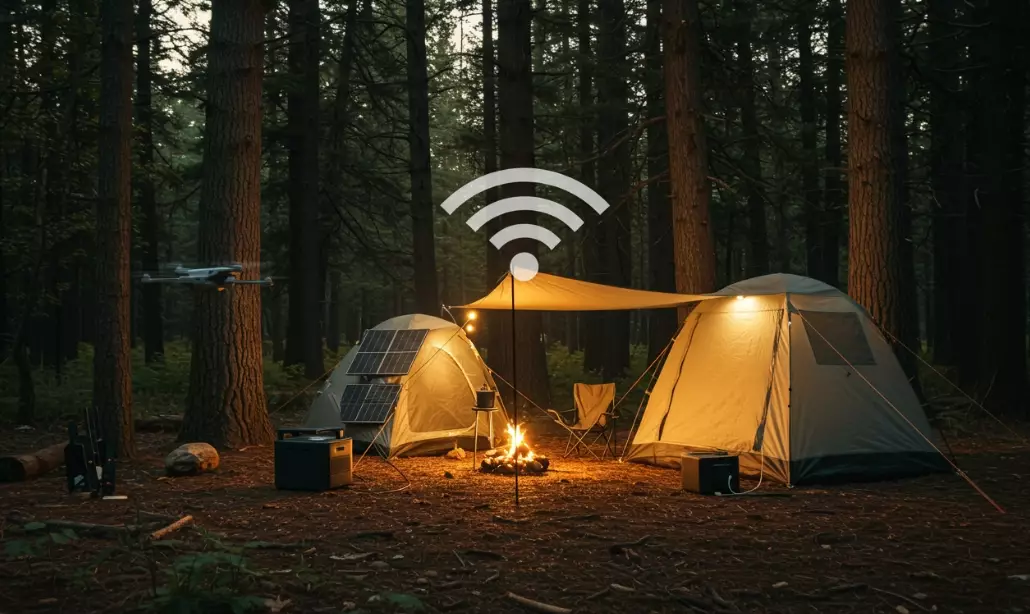
Kitchen & Navigation: Smarter Cooking and Not Getting Lost
Camp Kitchen Upgrades
Induction cooktops are the silent, efficient, and wind-proof future of camp cooking. Paired with a portable power station, you can boil water in 2 minutes with no flames, no gas smell, and incredible control. The catch? They're power-hungry. A single 5-minute boil might use 80-100Wh. You need the power infrastructure to support it.
For cooler tech, rotomolded coolers like Yeti are famous, but the real tech is in the insulation and gasket. The cheaper secret? Pre-chill your cooler with a bag of ice for 24 hours before you pack it. Use block ice, not cubes. It lasts 3-4 times longer. A simple technique, but most people just throw bags in and wonder why it's water in two days.
Navigation & Safety: Your Digital Lifeline
A phone is a fantastic GPS... until it fails. The essential piece of tech here is a dedicated handheld GPS unit (like a Garmin GPSMAP 66i) or a satellite communicator (like a Garmin inReach Mini or SPOT Gen4). These devices use satellite networks, not cell towers.
The critical feature is two-way SOS and messaging. It lets you tell rescuers what's wrong (broken leg vs. bear encounter) and get confirmation help is coming. It also lets you send "All OK" messages to worried family. It's the single most important safety tech you can carry in the backcountry.
Always, always carry a paper map and compass as backup. But pair them with an app like Gaia GPS or OnX Backcountry on your phone, with maps downloaded for offline use. I once followed a "trail" on a popular app that turned out to be a dry creek bed. Cross-referencing with a physical USGS map saved me hours of bushwhacking.
The Tech Mistakes Almost Everyone Makes (Including Me)
Here's where that decade of experience comes in. These are the subtle errors that waste money and ruin trips.
- Charging Everything from the Power Station at Once: This often trips the internal breaker. Charge items sequentially, biggest (laptop) to smallest (headlamp).
- Not Testing Gear at Home First: Set up the tent in your yard. Do a full charge/discharge cycle on your power station. Cook a meal on the new stove. You'll discover missing parts or confusing instructions in your living room, not in a rainstorm.
- Over-relying on One Power Source: Have a backup plan. If your main power station fails, do you have a small backup battery? Can you charge essentials from your car in an emergency?
- Ignoring Weight & Packability for Car Camping: Just because you're driving doesn't mean you should bring the kitchen sink. Bulky tech eats trunk space and makes setup/packup a nightmare. Be selective.
Your Camping Tech Questions, Answered
 What's the point of a "smart" water filter or purifier?