In This Guide
Let's be honest. We've all seen those picture-perfect Instagram posts of a serene tent by a lake, with a caption about "finding peace." It's easy to be cynical. Is it just a trend, or is there something genuinely powerful about sleeping on the ground and cooking over a fire? I was skeptical too, until a few years of personal burnout forced me to look for answers beyond the usual advice. That's when I started digging into the actual camping mental health statistics and research. What I found wasn't just fluffy feel-good stuff; it was hard science showing a profound connection between time outdoors and our inner well-being.
This isn't about selling you a fancy tent. It's about understanding why something as simple as camping can feel like a reset button for your brain. We'll look at the numbers, hear from the researchers, and I'll share some of my own messy, un-Instagrammable experiences that finally convinced me.
The Hard Data: What Statistics Say About Camping and Your Mind
Okay, let's get into the numbers. This is where vague feelings turn into measurable facts. Over the last decade, a growing pile of studies from places like Stanford, the University of Michigan, and even government public health bodies have been quantifying nature's impact.
One of the most cited pieces of research comes from a study published in the Proceedings of the National Academy of Sciences. They found that participants who walked for 90 minutes in a natural area, as opposed to an urban one, showed reduced activity in the subgenual prefrontal cortex. That's a brain region closely linked to rumination – that repetitive, negative thought loop that fuels depression and anxiety. The nature walk literally quieted the mental chatter.
But what about overnight stays? The data gets even more interesting. A large-scale survey conducted by the U.S. National Park Service in collaboration with university researchers found that multi-day trips in parks led to significant self-reported improvements. We're talking about:
- Stress Reduction: Over 75% of respondents reported high levels of stress relief after a trip lasting two or more nights.
- Improved Mood: A similar percentage noted a marked increase in feelings of happiness and calm.
- Digital Detox Effect: Nearly 80% felt a positive benefit from unplugging from devices, which is a core, if sometimes challenging, part of the camping experience.
These camping mental health statistics point to a cumulative effect. It's not just a one-hour hike. The sustained immersion seems to be key. When you look at the data on camping and mental health statistics related to specific conditions, the picture becomes clearer for people dealing with more defined challenges.
Anxiety, Depression, and the "Green Prescription"
For those clinically diagnosed with anxiety or depression, the outdoors isn't a magic cure, but the statistics show it can be a powerful complementary tool. Researchers often talk about the concept of "attention restoration theory." Our modern lives demand intense, directed focus (on screens, on work tasks), which leads to mental fatigue. Natural environments engage our attention in a gentle, effortless way—a concept called "soft fascination." Watching clouds or a fire, listening to leaves—it gives our overworked executive brain functions a break.
Studies focusing on camping for mental health in therapeutic settings have documented measurable outcomes. For instance, outdoor adventure therapy programs, which often involve camping, have shown success in reducing symptoms of anxiety and depression in adolescents and veterans, sometimes with effects that persist for months. The combination of physical activity, social connection in a novel setting, and nature immersion creates a potent mix.
Here’s a quick look at some key findings compiled from various clinical and survey-based studies:
| Condition / Metric | Reported Improvement After Multi-Day Nature Immersion | Key Notes from Research |
|---|---|---|
| General Stress Levels | 70-85% | Cortisol (stress hormone) levels show measurable decrease. |
| Anxiety Symptoms | 60-75% | Linked to reduced rumination and a shift in nervous system state (toward "rest and digest"). |
| Depressive Mood | 55-70% | Improvements in mood and motivation, especially when combined with physical activity. |
| Sleep Quality | ~80% | Exposure to natural light cycles helps reset circadian rhythms. |
| Social Connection | High | Shared, device-free experiences often strengthen bonds and reduce feelings of loneliness. |
It's worth noting that organizations like the American Psychological Association (APA) have published articles reviewing the benefits of time in nature, lending further credibility to what these camping mental health statistics are telling us. They highlight the evidence for nature's role in building resilience and improving cognitive function.
Why Does Camping Work? The Science Beyond the Stats
So the numbers are convincing. But why? What's actually happening when we trade a ceiling for a canopy of stars? The statistics on camping and mental health are supported by several intersecting biological and psychological mechanisms.
First, the light. Our bodies are governed by circadian rhythms. The blue light from phones and laptops at night messes with our melatonin production. When camping, you naturally sync with the sun's cycle. You wake with the light and wind down as it gets dark. This simple reset is a massive boost for sleep quality, which is foundational for mental health. One study showed that a weekend camping trip could reset circadian clocks by over 80%.
Then, the air and the microbes. It's not just poetic. The air in forests contains phytoncides, natural oils released by trees. Research, including work from Japan on "Shinrin-yoku" or forest bathing, has shown inhaling these compounds can lower stress hormones, pulse rate, and blood pressure. Furthermore, the diverse microbiota in soil and natural environments may positively influence our own gut microbiome, which has a surprisingly strong link to brain health and mood regulation through the gut-brain axis.
Finally, the challenge and accomplishment. Mental health isn't just about avoiding stress; it's about building mastery and self-efficacy. Putting up a tent in the wind, cooking a meal on a camp stove, navigating a trail – these are small, tangible victories. They remind you that you're capable. This is a core principle in behavioral activation therapy for depression. Camping provides a natural setting for it.
Of course, it's not all perfect. Let's talk about the barriers. For many, the idea of camping sparks anxiety, not relief. Bugs, bad weather, fear of the dark, the hassle of gear – these are real obstacles that the glowing camping mental health statistics don't always address upfront. I've had trips ruined by torrential rain and a leaky tent. It was miserable in the moment. But looking back, even navigating that minor crisis with my partner brought us closer than a comfortable weekend at home would have. The challenge is part of the point.
Your Practical Guide: From Statistics to Reality
Inspired by the data but not sure where to start? You don't need to hike into the remote wilderness for a week. The mental health benefits of camping statistics show that even short, accessible trips have value. Here’s a breakdown of approaches, from beginner to more committed.
Finding Your Style: A Spectrum of Nature Connection
Think of camping on a spectrum. On one end, there's car camping at a developed campground (with bathrooms and potable water). On the other, there's backpacking miles into the backcountry. The best trip is the one you'll actually do and enjoy.
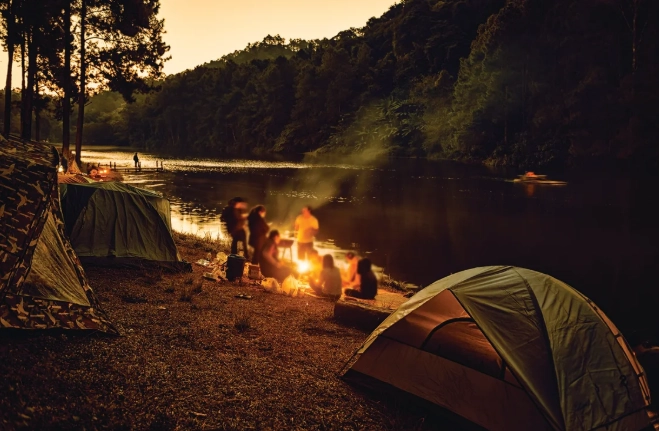
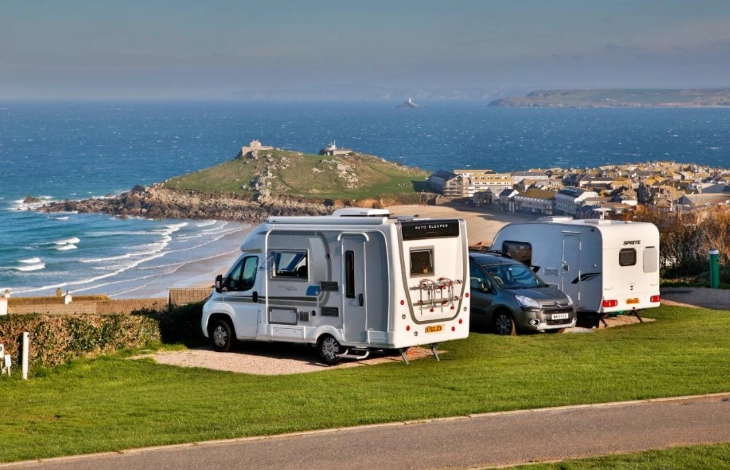
- Car Camping & Campgrounds: This is the gateway. You can bring more comforts—a thicker sleeping pad, a cooler with real food, even a camp chair. The goal here is immersion with a safety net. Perfect for families or first-timers. The key camping mental health statistics about digital detox and stress reduction apply fully here.
- Backyard Camping: Seriously, don't underestimate it. Pitch a tent, cook on a grill, stargaze. It eliminates travel stress and fear of the unknown while still providing a change of context and night sounds. It's a fantastic low-stakes test run.
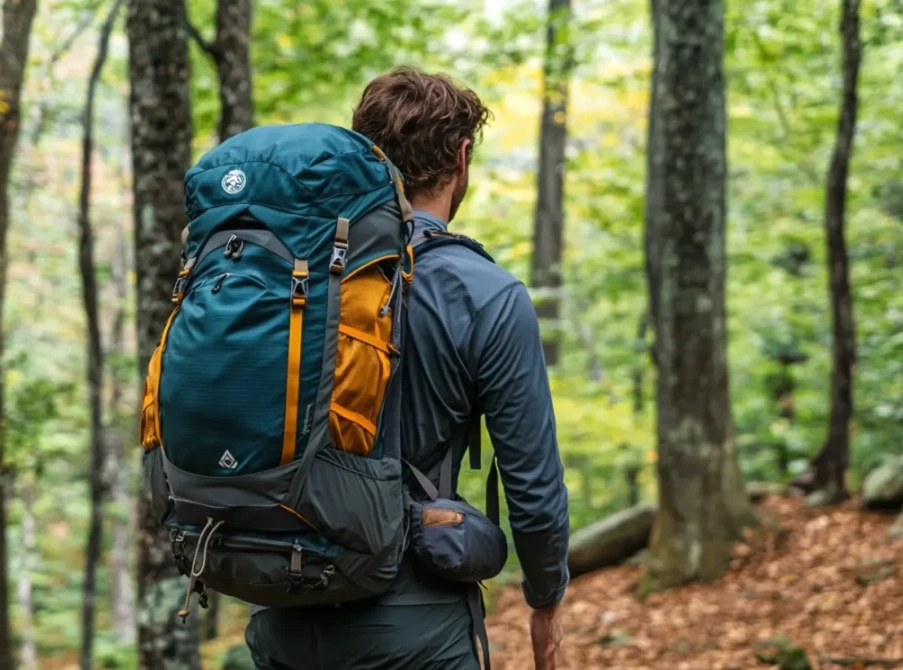
- Backpacking & Dispersed Camping: This is for when you want deeper solitude and a stronger sense of accomplishment. The physical exertion adds another layer of mental health benefit through exercise-induced endorphins. The stats on rumination reduction are especially strong here, as the demands of the trail leave little mental space for everyday worries.
The common thread? Sleeping outside. That's the core activity that aligns you with natural cycles and provides the sustained exposure the statistics highlight.
Essential Mindset Tips for Mental Wellness Camping
Going in with the right expectations is crucial. If you go expecting a flawless Instagram reel, you'll be disappointed. Go expecting an experience, good and bad, and you'll gain something real.
- Embrace the Discomfort (a little): You might be cold, or a bug might bother you. Instead of fighting it, notice it. It grounds you in the present moment, which is the antithesis of anxiety, which lives in the future.
- Leave the Performance Pressure: You don't need to hike 10 miles. It's okay to just sit by your tent and read, or watch the trees. The goal is being, not doing.
- Manage the Digital Cut-Off: Tell people you'll be offline. Put your phone on airplane mode and tuck it away. The first few hours of "digital itch" are real, but the mental freedom that follows is what the camping mental health statistics are measuring.
- Focus on Sensation: Make a point to engage your senses. Feel the texture of the bark, smell the pine air, listen to the layers of sound (wind, birds, water). This is active mindfulness.
Common Questions About Camping and Mental Health
A: Start incredibly small. Backyard or a single night at a very close, populated campground. Have an exit plan. Tell yourself you can leave anytime. The goal is a positive association, not pushing into panic. Consider going with a supportive, experienced friend. The statistics are promising, but your personal comfort and safety come first.
A: Research suggests the effects can linger for days to weeks. The key is the "resetting" effect on sleep and stress systems. Regular exposure, like monthly trips, is linked to more sustained benefits. Think of it less as a one-time cure and more as a maintenance practice for your mind.
A: Exercise alone is fantastic for mental health. But studies that compare outdoor exercise to indoor exercise often find an added benefit from the natural environment. It's the combination of physical activity, natural light, fresh air, and the visually restorative scenery that creates the unique effect captured in camping mental health statistics.
A: Absolutely. The core mechanisms are nature immersion and digital detox. Long day hikes, picnics in parks, gardening, or even just sitting in a green space daily can offer scaled-down versions of the benefits. The USDA Forest Service and many local parks are great resources for finding accessible nature near you.
The Bigger Picture: Camping in a Stressed-Out World
When you look at the collective camping mental health statistics, a compelling argument emerges. In an era of constant connectivity, climate anxiety, and urban living, camping offers a direct, low-cost intervention. It's a way to physically step out of the systems that often contribute to our stress and remember a different, slower pace.
It fosters a sense of awe—that feeling of being part of something vast. Seeing a sky full of stars or a grand mountain landscape puts personal worries in perspective. This isn't just spiritual talk; studies from UC Berkeley have linked experiences of awe to reduced levels of inflammatory cytokines, which are associated with poor stress-related health outcomes.
Camping also encourages environmental connection, which can help with the sense of helplessness around eco-anxiety. Taking care of a campsite, learning about local ecology, and simply appreciating nature can foster a proactive, rather than despairing, relationship with the planet.
So, the next time you feel overwhelmed, burnt out, or stuck in a negative loop, consider the numbers. The camping mental health statistics provide a robust, evidence-based case for an ancient practice. You don't need to be an expert outdoorsperson. You just need a willingness to try, to unplug, and to let the natural world do what it's done for humans for millennia: bring you back to yourself.
Start small. Borrow gear. Pick a good weather weekend. See how you feel. Your brain—and the statistics—might just thank you for it.